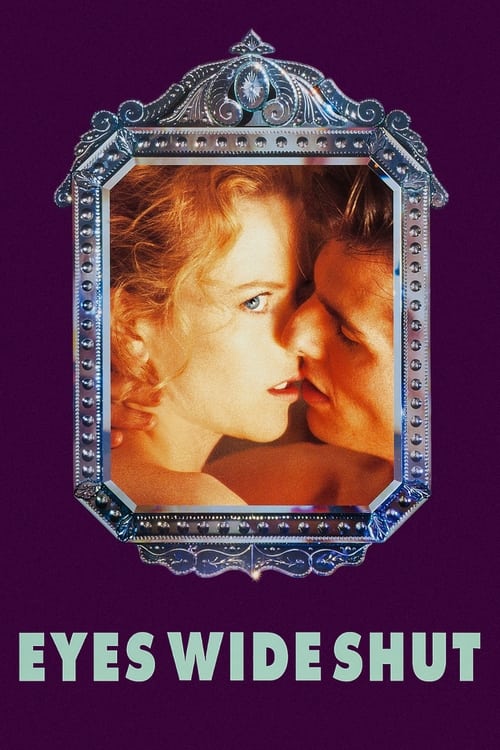
عيون مغلقة على اتساعها
 7.5دراما, إثارة . فيلم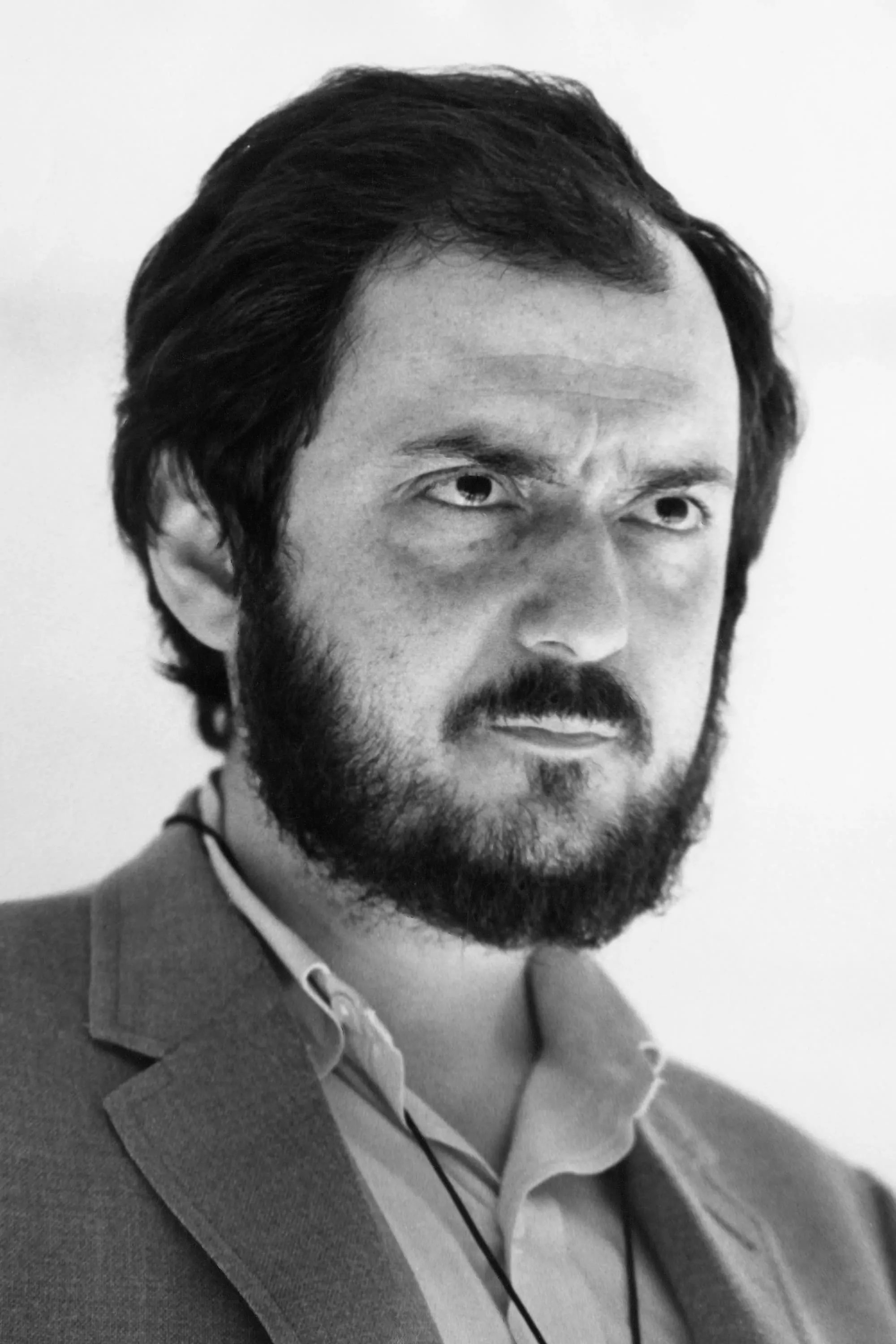
ستانلي كوبريك (26 يوليو 1928 - 7 مارس 1999) كان مخرجًا سينمائيًا وكاتبًا ومنتجًا ومصورًا أمريكيًا عاش في إنجلترا خلال معظم العقود الأربعة الأخيرة من حياته المهنية. اشتهر كوبريك بالعناية الدقيقة التي اختار بها موضوعاته، وطريقته البطيئة في العمل، وتنوع الأنواع التي عمل فيها، وكماله الفني، وانعزاله عن أفلامه وحياته الشخصية. لقد حافظ على سيطرة فنية كاملة تقريبًا، حيث كان يصنع الأفلام وفقًا لأهوائه وضيق الوقت، ولكن مع ميزة نادرة تتمثل في الدعم المالي من الاستوديو الكبير لجميع مساعيه. تتميز أفلام كوبريك بالأسلوب البصري الرسمي والاهتمام الدقيق بالتفاصيل، وغالبًا ما تحتوي أفلامه اللاحقة على عناصر السريالية والتعبيرية التي تتجنب السرد الخطي المنظم. توصف أفلامه مرارًا وتكرارًا بأنها بطيئة ومنهجية، وغالبًا ما يُنظر إليها على أنها انعكاس لطبيعته المهووسة والكمالية. الموضوع المتكرر في أفلامه هو وحشية الإنسان تجاه الإنسان. بينما يُنظر إليه في كثير من الأحيان على أنه يعبر عن تشاؤم ساخر، يشعر بعض النقاد أن أفلامه تحتوي على تفاؤل حذر عند النظر إليها بعناية أكبر. كان الفيلم الذي لفت انتباه العديد من النقاد لأول مرة هو فيلم "دروب المجد" (1957)، وهو الأول من بين ثلاثة أفلام له حول آثار الحرب المهينة للإنسانية. حظيت العديد من أفلامه في البداية باستقبال فاتر، ثم تم الإشادة بها بعد سنوات باعتبارها روائع كان لها تأثير أساسي على العديد من الأجيال اللاحقة من صانعي الأفلام. يعتبر فيلم 2001: A Space Odyssey (1968) رائدًا بشكل خاص لكونه واحدًا من أكثر أفلام الخيال العلمي واقعية علميًا وإبداعًا بصريًا على الإطلاق مع الحفاظ على قصة غامضة غير خطية. قام طوعًا بسحب فيلمه "البرتقالة الآلية" (1971) من إنجلترا، بعد أن اتهم بتحريض جرائم مقلدة أدت بدورها إلى تهديدات ضد عائلة كوبريك. حققت أفلامه نجاحًا كبيرًا في شباك التذاكر، على الرغم من أن أداء باري ليندون (1975) كان سيئًا في الولايات المتحدة. كان المؤلفان الحيان أنتوني بيرجيس وستيفن كينج غير راضين عن تعديلات كوبريك لروايتيهما "البرتقالة الآلية" و"البريق" (1980) على التوالي، وكان كلا المؤلفين منخرطين في التعديلات اللاحقة. تم ترشيح جميع أفلام كوبريك منذ منتصف الخمسينيات وحتى وفاته باستثناء فيلم The Shining لجوائز الأوسكار أو جولدن جلوب أو البافتا. على الرغم من ترشيحه لجائزة الأوسكار ككاتب سيناريو ومخرج في عدة مناسبات، إلا أن فوزه الشخصي الوحيد كان عن المؤثرات الخاصة في فيلم 2001: A Space Odyssey. على الرغم من أن جميع أفلامه، باستثناء الأولين، مقتبسة من روايات أو قصص قصيرة، إلا أن جيسون أنكيني وآخرين وصفوا أعماله بأنها "أصلية وذات رؤية". على الرغم من أن بعض النقاد، ولا سيما أندرو ساريس وبولين كايل، استخفوا كثيرًا بعمل كوبريك، إلا أن أنكيني يصف كوبريك بأنه أحد "المخرجين الأكثر شهرة وتأثيرًا عالميًا في حقبة ما بعد الحرب" مع "مكانة فريدة بين صانعي الأفلام في عصره".
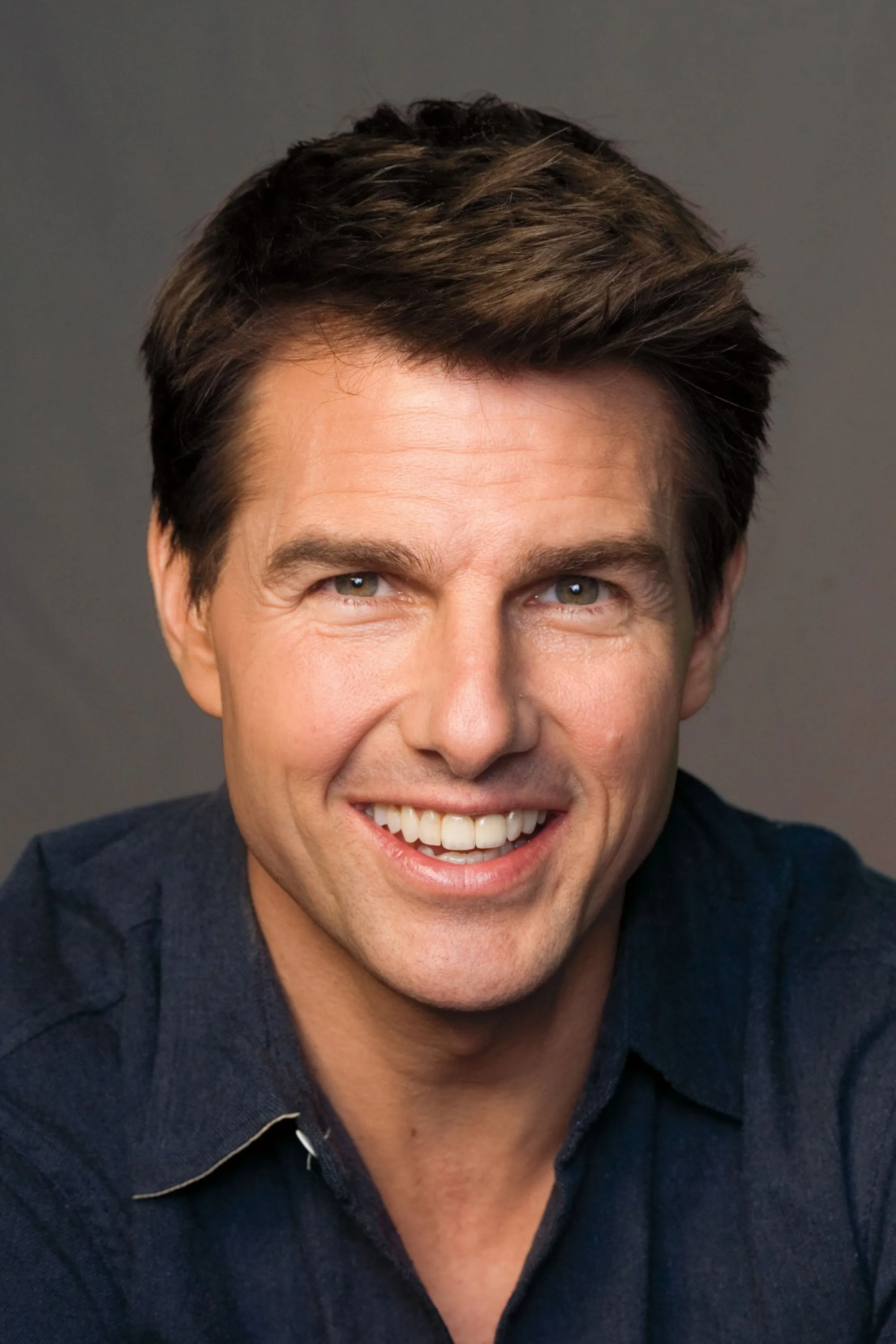 توم كروزعيون مغلقة على اتساعها
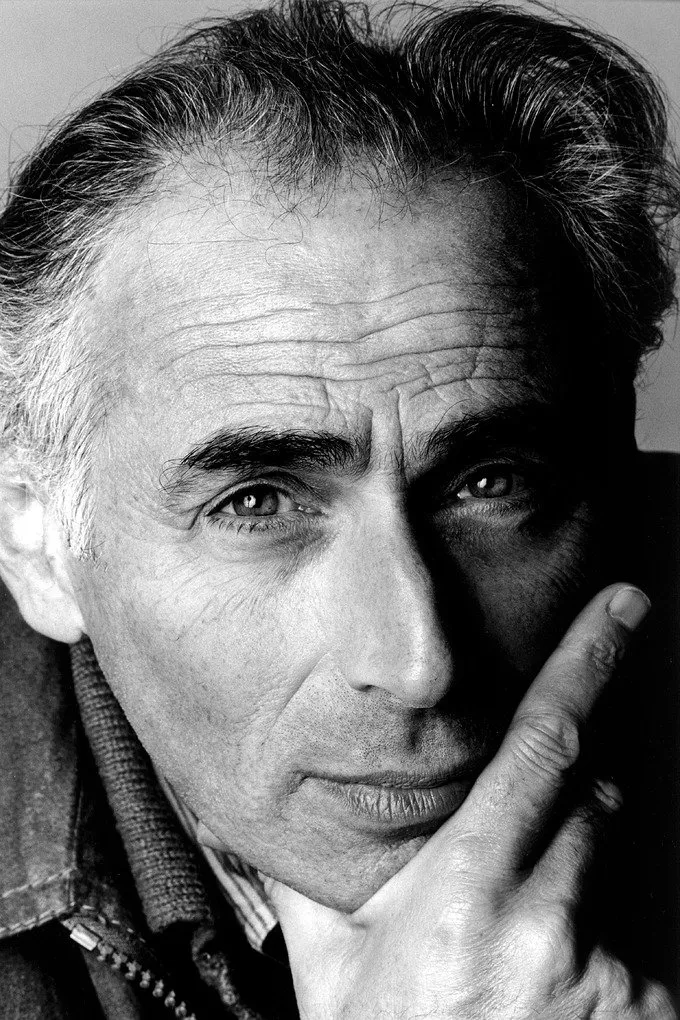 Frederic Raphaelعيون مغلقة على اتساعهاRoy Walkerعيون مغلقة على اتساعها
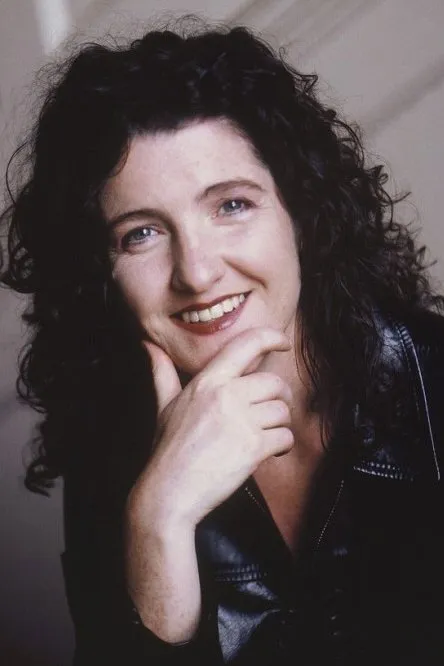 Jocelyn Pookعيون مغلقة على اتساعهاليزلي تومكينزعيون مغلقة على اتساعها
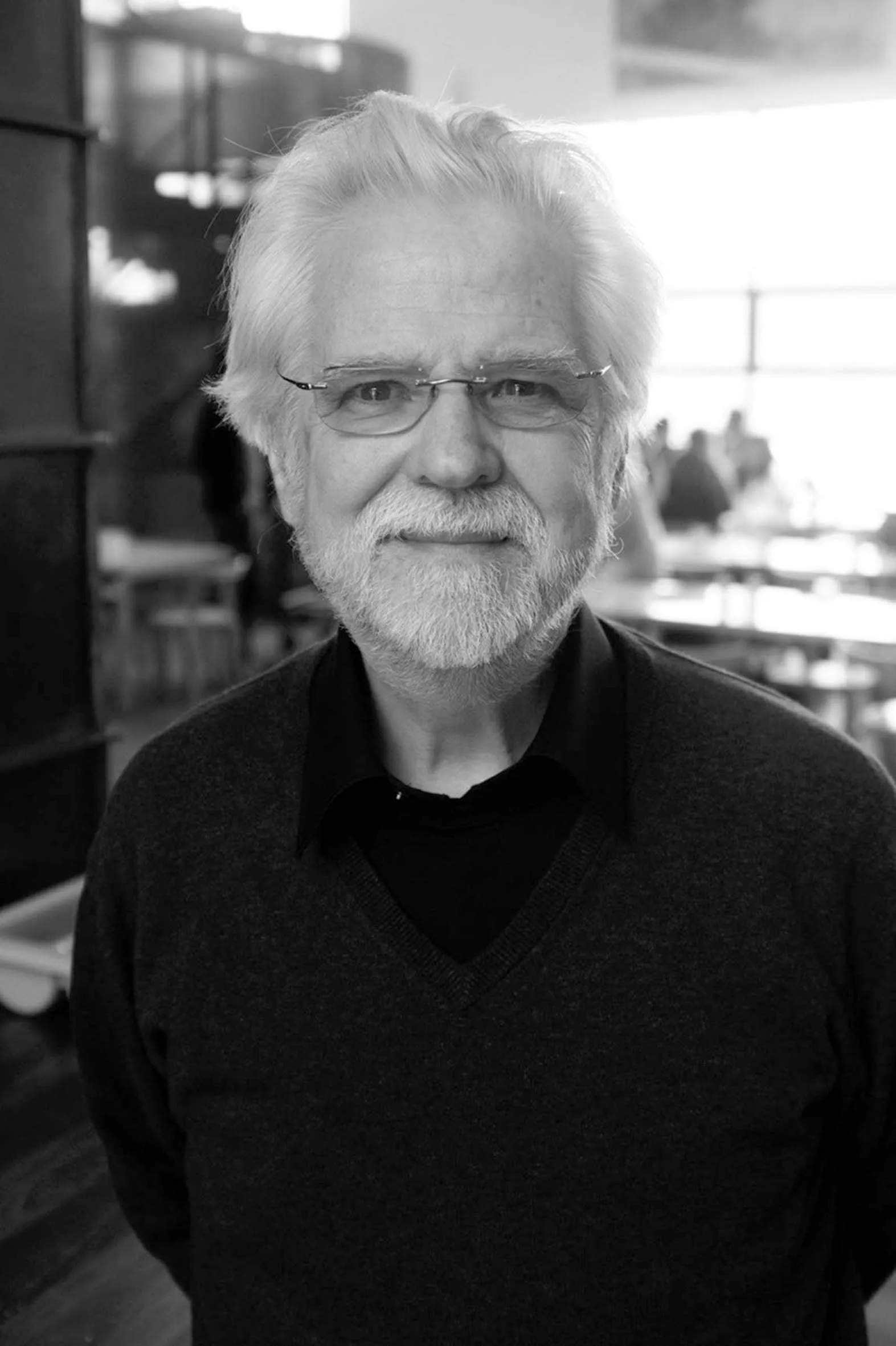 Jan Harlanعيون مغلقة على اتساعها
 لاري سميثعيون مغلقة على اتساعها
 دينيس شاميانعيون مغلقة على اتساعها
 Arthur Schnitzlerعيون مغلقة على اتساعها
 Larry Celonaعيون مغلقة على اتساعهاNigel Galtعيون مغلقة على اتساعهاTimothy Everestعيون مغلقة على اتساعها
اكتشف السيرة الذاتية وأحدث الأعمال الفنية للنجم ستانلي كوبريك على موقع افلام ومسلسلات. يُعد ستانلي كوبريك من أبرز الأسماء في عالم الفن، حيث قدم العديد من الأدوار المميزة في السينما والتلفزيون.
ستانلي كوبريك (26 يوليو 1928 - 7 مارس 1999) كان مخرجًا سينمائيًا وكاتبًا ومنتجًا ومصورًا أمريكيًا عاش في إنجلترا خلال معظم العقود الأربعة الأخيرة من حياته المهنية. اشتهر كوبريك بالعناية الدقيقة التي اختار بها موضوعاته، وطريقته البطيئة في العمل، وتنوع الأنواع التي عمل فيها، وكماله الفني، وانعزاله عن أفلامه وحياته الشخصية. لقد حافظ على سيطرة فنية كاملة تقريبًا، حيث كان يصنع الأفلام وفقًا لأهوائه وضيق الوقت، ولكن مع ميزة نادرة تتمثل في الدعم المالي من الاستوديو الكبير لجميع مساعيه. تتميز أفلام كوبريك بالأسلوب البصري الرسمي والاهتمام الدقيق بالتفاصيل، وغالبًا ما تحتوي أفلامه اللاحقة على عناصر السريالية والتعبيرية التي تتجنب السرد الخطي المنظم. توصف أفلامه مرارًا وتكرارًا بأنها بطيئة ومنهجية، وغالبًا ما يُنظر إليها على أنها انعكاس لطبيعته المهووسة والكمالية. الموضوع المتكرر في أفلامه هو وحشية الإنسان تجاه الإنسان. بينما يُنظر إليه في كثير من الأحيان على أنه يعبر عن تشاؤم ساخر، يشعر بعض النقاد أن أفلامه تحتوي على تفاؤل حذر عند النظر إليها بعناية أكبر. كان الفيلم الذي لفت انتباه العديد من النقاد لأول مرة هو فيلم "دروب المجد" (1957)، وهو الأول من بين ثلاثة أفلام له حول آثار الحرب المهينة للإنسانية. حظيت العديد من أفلامه في البداية باستقبال فاتر، ثم تم الإشادة بها بعد سنوات باعتبارها روائع كان لها تأثير أساسي على العديد من الأجيال اللاحقة من صانعي الأفلام. يعتبر فيلم 2001: A Space Odyssey (1968) رائدًا بشكل خاص لكونه واحدًا من أكثر أفلام الخيال العلمي واقعية علميًا وإبداعًا بصريًا على الإطلاق مع الحفاظ على قصة غامضة غير خطية. قام طوعًا بسحب فيلمه "البرتقالة الآلية" (1971) من إنجلترا، بعد أن اتهم بتحريض جرائم مقلدة أدت بدورها إلى تهديدات ضد عائلة كوبريك. حققت أفلامه نجاحًا كبيرًا في شباك التذاكر، على الرغم من أن أداء باري ليندون (1975) كان سيئًا في الولايات المتحدة. كان المؤلفان الحيان أنتوني بيرجيس وستيفن كينج غير راضين عن تعديلات كوبريك لروايتيهما "البرتقالة الآلية" و"البريق" (1980) على التوالي، وكان كلا المؤلفين منخرطين في التعديلات اللاحقة. تم ترشيح جميع أفلام كوبريك منذ منتصف الخمسينيات وحتى وفاته باستثناء فيلم The Shining لجوائز الأوسكار أو جولدن جلوب أو البافتا. على الرغم من ترشيحه لجائزة الأوسكار ككاتب سيناريو ومخرج في عدة مناسبات، إلا أن فوزه الشخصي الوحيد كان عن المؤثرات الخاصة في فيلم 2001: A Space Odyssey. على الرغم من أن جميع أفلامه، باستثناء الأولين، مقتبسة من روايات أو قصص قصيرة، إلا أن جيسون أنكيني وآخرين وصفوا أعماله بأنها "أصلية وذات رؤية". على الرغم من أن بعض النقاد، ولا سيما أندرو ساريس وبولين كايل، استخفوا كثيرًا بعمل كوبريك، إلا أن أنكيني يصف كوبريك بأنه أحد "المخرجين الأكثر شهرة وتأثيرًا عالميًا في حقبة ما بعد الحرب" مع "مكانة فريدة بين صانعي الأفلام في عصره".
تابع آخر أخبار ستانلي كوبريك، وشاهد قائمة أفلامه ومسلسلاته الحصرية بجودة عالية وتقييمات دقيقة.